
 SeekaHost.com Client Area
  SeekaHost.app
  SeekaHost.co.uk
  SeekaHost.in
Prevent Phishing Attacks: Easy Ways to Secure Your Website

By Frank Carson
Prevent Phishing Attacks are one of the most common measures and cyber threats that can compromise websites to steal sensitive user information. Many website owners are still unaware of how these attacks work and how easily they can affect login credentials, payment details, and overall site security.
In this guide, you will learn what phishing attacks are and how to prevent phishing attacks using simple yet effective security practices like SSL certificates, strong passwords, and two-factor authentication. Learning how to prevent phishing attacks is essential for keeping your website safe and secure.
What is Phishing and Give an Example?
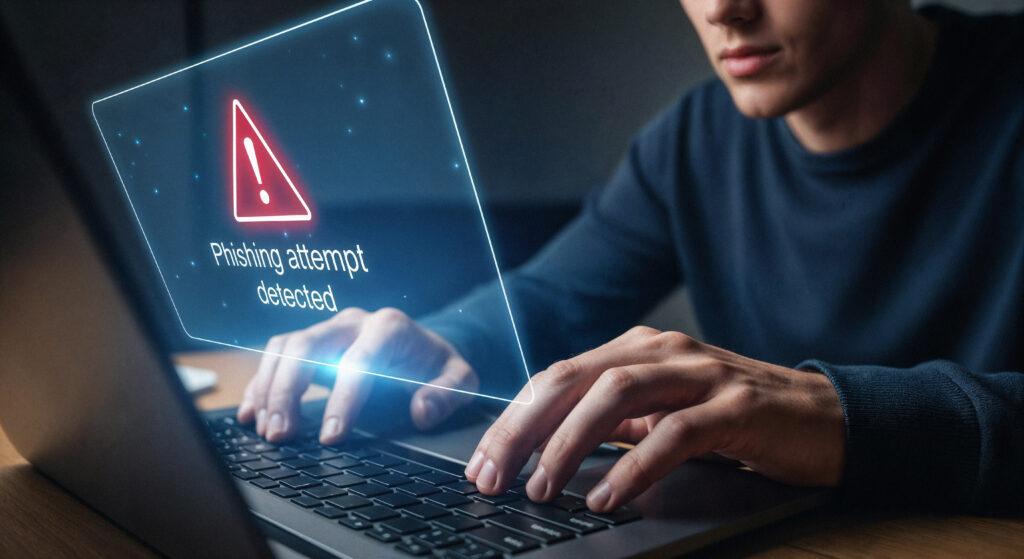
Phishing is a type of cyber attack used to steal sensitive information such as usernames, passwords, credit card details, and other personal data. Attackers usually do this by pretending to be a trusted source through emails, messages, or fake websites.
The main goal of phishing is to trick users into entering their confidential information on fake login pages or clicking malicious links. Understanding phishing is the first step to prevent phishing attacks effectively.
Example of Phishing:
For example, a user may receive an email that looks like it is from a bank asking them to “verify their account.” The email contains a link that leads to a fake website designed to look exactly like the real bank login page. When the user enters their username and password, the attacker captures the information and gains unauthorized access to the account.
This is why it is important to prevent phishing attacks using proper security measures.
Prevent Phishing Attacks For Websites:
There are lot of ways a website can be suffered by phishing attacks. Lack of strong password, there is no presence of 2F Authentication and no SSL certificate in your website. The hackers make a real copy of your webpage and when the user log in or enter the webpage, the important credentials are stolen. Generally, phishing attacks are happened mostly in payment process.
By now we can get a basic knowledge on what is phishing. Now, lets discuss the preventive measures to avoid it. There are three possible ways you can protect your site from these malicious attacks.They are:
- Adding SSL Certificate
- Strong Passwords
- Enabling 2F-Authentication
To effectively prevent phishing attacks, website owners must follow proper security practices.
1. Adding SSL Certificate:
Adding an SSL certificate to your website helps prevent phishing attacks by encrypting user data and securing communication between users and the server. It also improves SEO ranking and builds trust with visitors.
Switching from HTTP to HTTPS is essential to prevent phishing attacks, as unsecured websites are more vulnerable to data theft and impersonation.
2. Strong Passwords:
Using strong passwords is a simple but powerful way to prevent phishing attacks. Weak or reused passwords make it easier for attackers to gain access to accounts.
Website owners should update login credentials regularly and encourage users to use secure passwords. Tools like password managers and security plugins (for platforms like WordPress) can further help prevent phishing attacks by improving password security.
3. Enabling 2F-Authentication:
Enabling two-factor authentication is one of the most effective ways to prevent phishing attacks. Even if a password is stolen, the attacker cannot access the account without the second verification code.
2FA adds an extra layer of security and helps prevent phishing attacks on websites, banking systems, and online platforms.
Other Form of Threat and Prevention:
1. Secure a WordPress Website from Hackers
3. Business Cybersecurity Measures
4. Web Hosting Security Features
Protecting your website from phishing attacks is not optional – it is essential for maintaining user trust and data security. By implementing SSL certificates, using strong and regularly updated passwords, and enabling two-factor authentication, you can significantly reduce the risk to prevent phishing attacks.
With these basic but powerful security measures, you can successfully prevent phishing attacks and ensure a safe experience for your users.